Klopè and Mareno: kitchens evolving over time
Kitchen Design Case History

Klopè and Mareno: kitchens evolving over time

Across Klopè’s venues in Calabria, different generations of Mareno kitchens coexist: from the Nuova Protagonista and Star ranges to the more recent M1 and M2. Kitchens designed for different types of service and distinct identities, united by build quality and a deliberate choice: to make them a visible part of the guest experience.

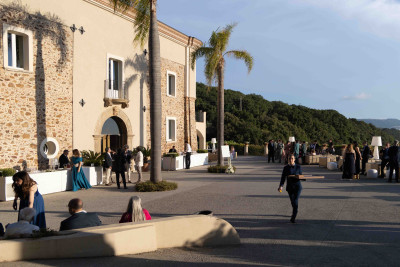
Klopè is not a single place, but a hospitality project that takes on a different character from one setting to the next. From Tenuta Klopè, surrounded by greenery, to the industrial identity of Hangar, and from the understated spaces of Casa Klopè by Luigi Lepore to the expansive halls and gardens of Villa Klopè, each setting expresses its own vision of hospitality.

Weddings, large-scale events, lounge bar service, fine dining, buffets and made-to-order preparations all require different scales and forms of organisation. What unites them is a clear choice: the kitchens are not hidden away, but become part of each setting’s story. Mareno cooking lines and the work of the kitchen brigade thus become a recognisable presence for guests.

The different installations tell the story of an ongoing relationship. From the Nuova Protagonista range of the 2000–2010 period to the Star range of the following decade, and on to the more recent M1 and M2, Klopè has continued to choose Mareno for projects of different character and scale.

The first chapter: Nuova Protagonista

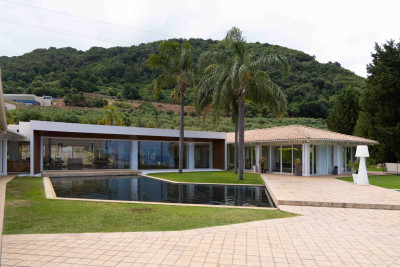
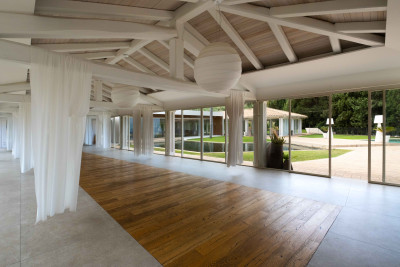
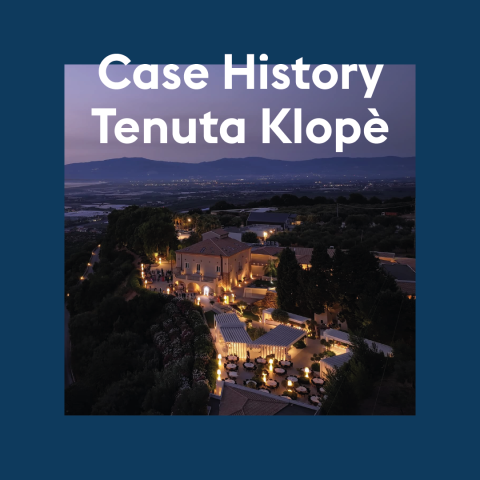
The story begins at Tenuta Klopè, an event venue set in the Calabrian landscape, surrounded by gardens, water features and light-filled halls. A more intimate area houses the service kitchen, where a Nuova Protagonista cooking line is still used today to prepare staff meals and handle smaller-scale tasks.

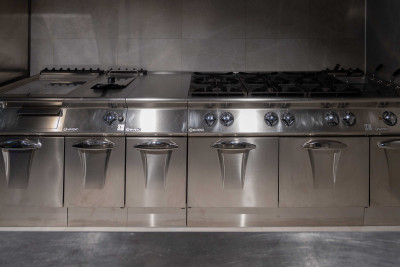
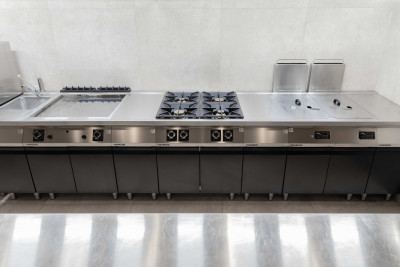
The line includes a griddle, a fryer, six open gas burners and a pasta cooker. Streamlined and proportionate to its role, it remains in excellent condition and in its original configuration: tangible evidence of the build quality and long-term durability of Mareno equipment.

The Star at Tenuta Klopè: the production hub

The main kitchen at Tenuta Klopè primarily caters for weddings, as well as events and banquets. The scale and operational demands of these services call for capacity, coordination and multiple chefs working simultaneously.

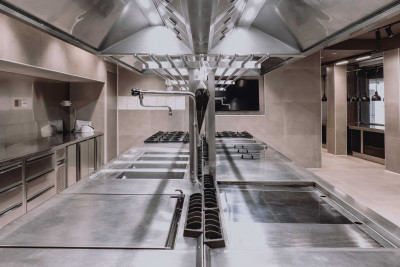
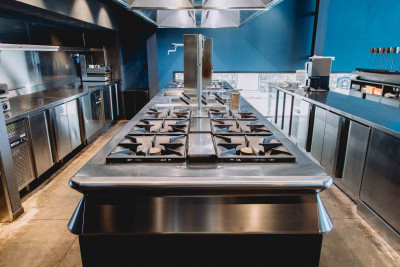
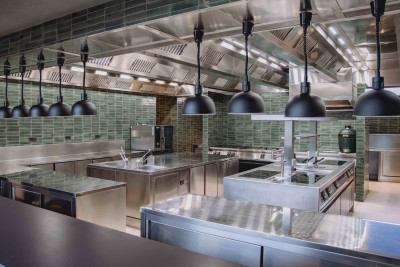
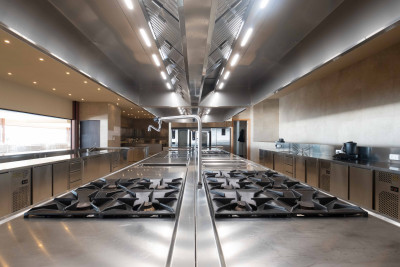
The Star cooking suite is arranged in two opposing lines and incorporates ten open gas burners, four pasta cookers, three fryers, a bratt pan and a griddle. Different preparations can be carried out in parallel, within a configuration tailored to the service volumes and available space.

At Hangar, a Star 110 in the dining room

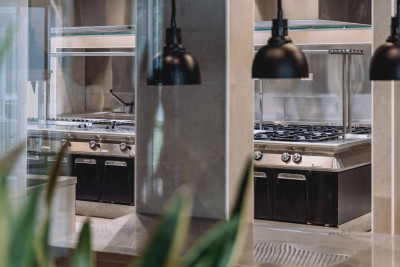
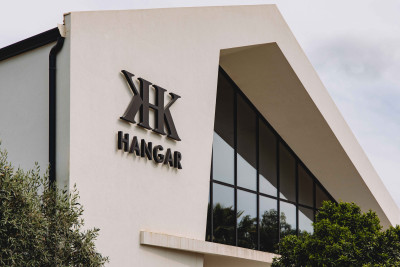
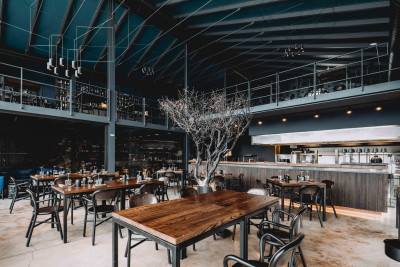
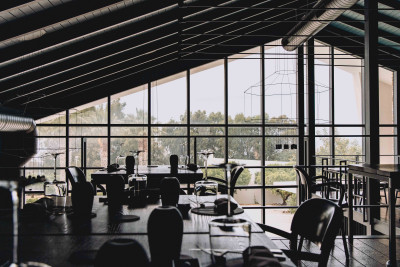
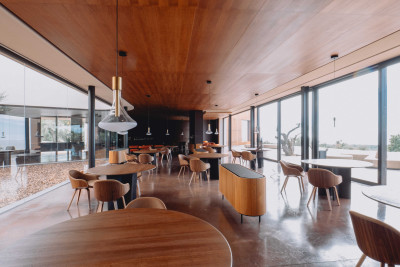
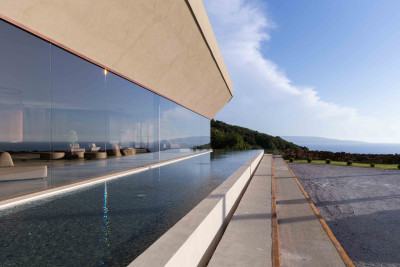
At Hangar Lounge Restaurant, the setting takes on a contemporary character. Its geometric façade, expansive glazing and industrial interior design shape a welcoming, refined venue, where carefully selected ingredients, artisanal preparations, wines and signature cocktails complete the offering. The kitchen opens directly onto the dining room, becoming an integral part of the space.

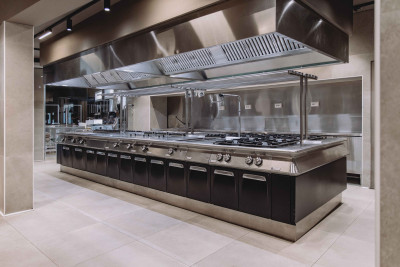
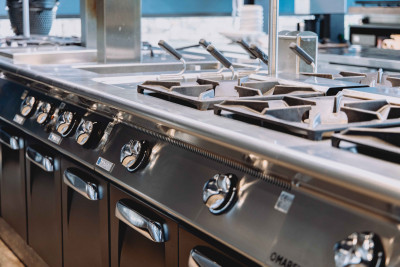
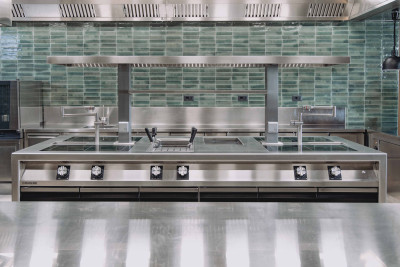
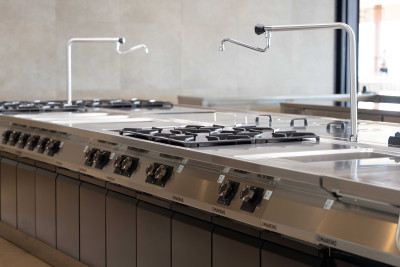
A Star 110 is installed here, dating approximately from the same generation as the one at Tenuta Klopè. It consists of pass-through modules, with cooking functions accessible from both sides of the suite. The configuration includes six open gas burners, a pasta cooker, a fryer and two griddles positioned on opposite sides.

At the client’s request, a Green Egg barbecue—an appliance outside the Mareno range—was also integrated into the suite: a tangible example of the ability to accommodate specific requirements.

M2 and M1 at Casa Klopè by Luigi Lepore

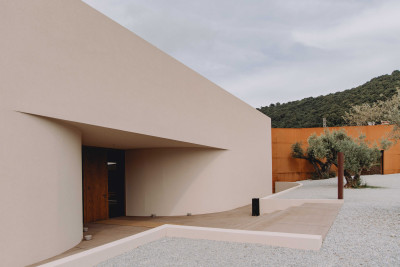
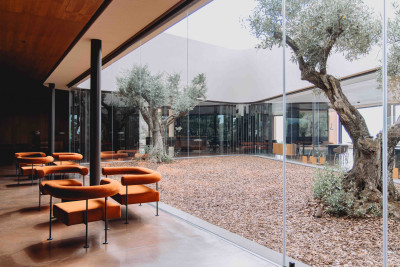
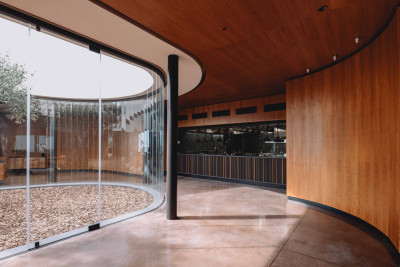
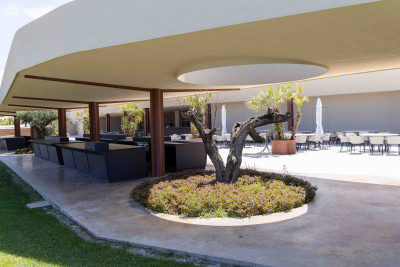
Casa Klopè by Luigi Lepore offers a more distinctly gastronomic experience. Clean architectural lines, natural light and olive trees integrated into the spaces create a contemporary, understated setting. The chef’s culinary concept brings together Calabrian identity and research, respect for the local area and international influences. Opened in 2019, the restaurant was awarded a Michelin star in 2022.

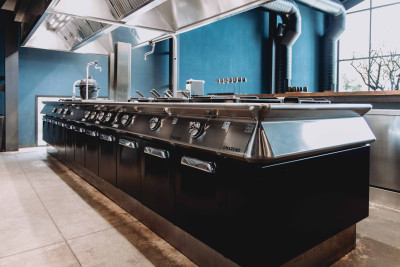
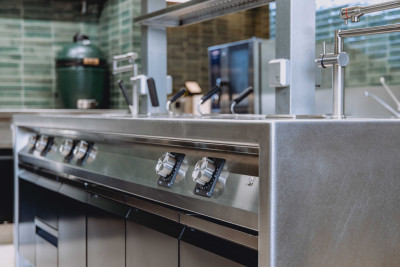
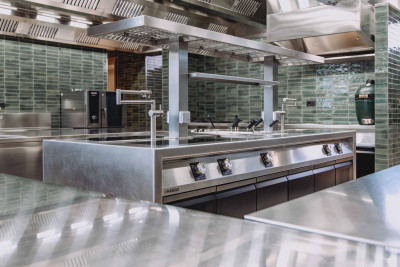
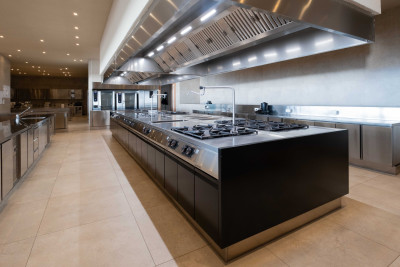
The open kitchen is located within the restaurant and blends naturally into its surroundings. At its centre is a fully bespoke M2 monobloc, featuring a satin finish, matte black doors, a one-piece stainless-steel worktop and flush-mounted cooking functions. Four full-surface induction zones, a griddle and a pasta cooker make up the suite.

Alongside the M2 is an M1 cooking station with four open gas burners and two fryers, while a Green Egg is positioned in one corner. The monobloc remains the operational and visual focal point, while the M1 expands the equipment available and supports the cooking processes.

Villa Klopè: M1-90 for events with up to 1,000 guests

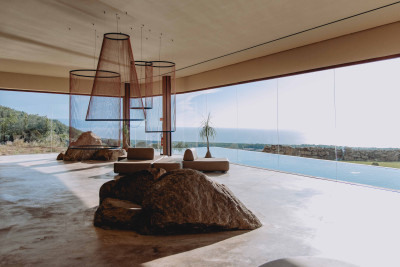
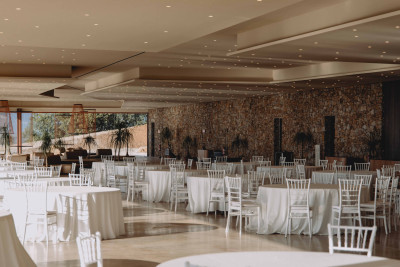
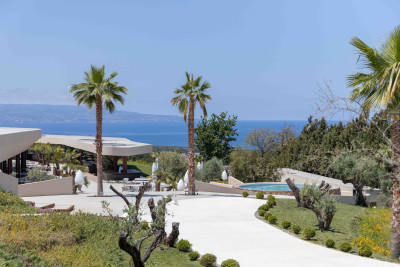
At Villa Klopè, the scale expands. Contemporary architecture, expansive glazing, water features and gardens overlooking the sea frame the halls dedicated to weddings, banquets and large-scale events. Here, service can cater for up to 1,000 guests.

The main kitchen meets these volumes with a large central cooking suite built from M1-90 modules arranged in two opposing lines. The equipment includes fourteen open burners, four pasta cookers, three fryers, a bratt pan and three griddles. Its extended layout distributes the different operations along the full length of the suite and allows multiple chefs to work simultaneously.

M1 outdoors: buffets and live cooking

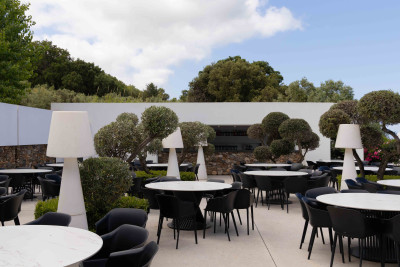
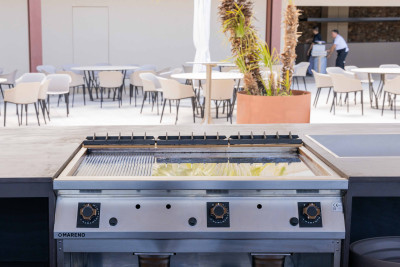
Outside, service moves into the gardens, surrounded by greenery and open views across the landscape. Fixed M1-90 islands, fully visible to guests and equipped with griddles and fryers, support aperitifs, buffets and dishes prepared to order in front of guests.

Alongside the islands is a back-of-house M1-90 kitchen that supports the food preparation required for outdoor receptions. The front-of-house stations and support kitchen therefore form a dedicated system for outdoor service.

A partnership that continues to evolve

From the intimate scale of the service kitchen to large-scale events, from the Hangar dining room to Luigi Lepore’s fine-dining kitchen, each setting reveals a different side of Klopè. Mareno supports these diverse operations by developing solutions aligned with the needs of each venue and its service.

The continuity of this partnership can be seen in Klopè’s decision to return to Mareno whenever the project expands, changes scale or introduces a new space. The kitchens span different generations: earlier installations remain fully operational, while the latest models introduce new functional and engineering solutions.

This combination of continuity and evolution defines the value of the reference project: a partnership founded on build quality, long-term durability and the ability to interpret ever-changing spaces, services and requirements.
Information request

You might also be interested in